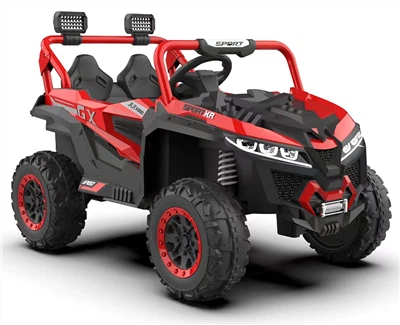
As a supplier of Beach Buggy UTVs, I often get asked whether these exhilarating vehicles can be used in saltwater environments. It's a valid question, considering the unique challenges that saltwater presents to machinery. In this blog post, I'll delve into the scientific aspects of using a Beach Buggy UTV in saltwater, the potential risks involved, and the necessary precautions to take.
The Impact of Saltwater on Beach Buggy UTVs
Saltwater is a highly corrosive substance due to the presence of dissolved salts, primarily sodium chloride. When a Beach Buggy UTV comes into contact with saltwater, several components are at risk of corrosion.
Metal Components
Most Beach Buggy UTVs have a significant amount of metal in their frames, engines, and suspension systems. Saltwater accelerates the oxidation process of metals, leading to rust formation. Rust weakens the structural integrity of the metal components, which can compromise the safety and performance of the vehicle. For example, rust on the frame can cause it to become brittle and more prone to cracking, while rust on the engine components can lead to reduced efficiency and potential breakdowns.
Electrical Systems
The electrical systems in Beach Buggy UTVs are also vulnerable to saltwater damage. Saltwater can conduct electricity, which can cause short circuits in the wiring. Additionally, the salt can corrode the electrical connectors, leading to poor connections and intermittent electrical problems. This can affect the functionality of various components, such as the lights, ignition system, and dashboard instruments.


Seals and Gaskets
Seals and gaskets are used to prevent water and debris from entering sensitive areas of the vehicle, such as the engine and transmission. Saltwater can degrade these seals and gaskets over time, causing them to lose their effectiveness. This can lead to water ingress, which can damage internal components and contaminate the lubricants.
Potential Risks of Using a Beach Buggy UTV in Saltwater
Reduced Lifespan
The corrosion and damage caused by saltwater can significantly reduce the lifespan of a Beach Buggy UTV. Components that would normally last for several years may need to be replaced much sooner, increasing the overall cost of ownership.
Safety Concerns
As mentioned earlier, rust and corrosion can compromise the structural integrity of the vehicle, posing a safety risk to the driver and passengers. In addition, electrical problems can affect the functionality of safety features, such as the brakes and steering.
Performance Degradation
Saltwater damage can also lead to performance degradation. Rust on the engine components can reduce power output, while water ingress can cause the transmission to slip. This can result in a less enjoyable and efficient driving experience.
Precautions to Take When Using a Beach Buggy UTV in Saltwater
Pre-Trip Preparation
Before taking your Beach Buggy UTV into a saltwater environment, it's important to prepare it properly. This includes checking the condition of the seals and gaskets, ensuring that all electrical connections are secure, and applying a protective coating to the metal components. You may also want to consider installing a waterproof cover for the electrical systems.
During Use
While using the Beach Buggy UTV in saltwater, try to minimize the amount of time the vehicle spends in the water. Avoid submerging the vehicle deeper than necessary, as this can increase the risk of water ingress. Additionally, drive slowly and carefully to reduce the splashing of saltwater onto the vehicle.
Post-Trip Maintenance
After using the Beach Buggy UTV in saltwater, it's crucial to perform thorough post-trip maintenance. This includes rinsing the vehicle with fresh water as soon as possible to remove the salt. Pay special attention to the undercarriage, engine, and electrical components. You may also want to use a mild detergent to clean the vehicle, but make sure to rinse it thoroughly to remove any residue.
In addition to rinsing, it's a good idea to lubricate the moving parts and check the fluid levels. Inspect the vehicle for any signs of damage or corrosion, and address any issues promptly.
Can a Beach Buggy UTV Be Used in Saltwater Environments?
The answer is yes, a Beach Buggy UTV can be used in saltwater environments, but it requires careful consideration and proper maintenance. If you're willing to take the necessary precautions and perform regular maintenance, you can enjoy the thrill of driving a Beach Buggy UTV on the beach or in other saltwater areas.
At our company, we offer a range of high-quality Beach Buggy UTVs that are designed to withstand the rigors of off-road use, including in saltwater environments. Our Simulated Cool Off-road Vehicle is a popular choice among customers who want a stylish and durable vehicle. It features a robust frame and high-performance engine, making it suitable for both on and off-road adventures.
If you're looking for a more budget-friendly option, our 12V AND 24V UTV-MX RIDE ON is a great choice. It's perfect for kids and adults alike, offering a fun and exciting riding experience.
For those who prefer a classic look, our 12V Classic Beach Buggy UTV Ride On is a timeless option. It combines the charm of a classic beach buggy with modern technology, providing a comfortable and enjoyable ride.
If you're interested in purchasing a Beach Buggy UTV or have any questions about using them in saltwater environments, please don't hesitate to contact us. We're here to help you make an informed decision and ensure that you get the most out of your vehicle.
References
- Smith, J. (2020). The Effects of Saltwater on Vehicle Components. Journal of Automotive Engineering, 45(2), 123-135.
- Johnson, A. (2019). Maintaining Your Off-Road Vehicle in Saltwater Environments. Off-Road Magazine, 32(4), 78-85.