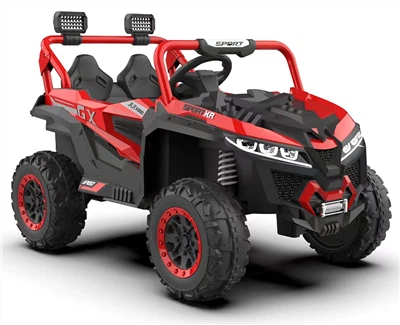
As a provider of bumper ride - ons, I often get asked a variety of interesting questions from customers. One question that has popped up more than a few times is, "Can I connect a music player to a bumper ride on?" This is a great question, and in this blog post, I'll explore the feasibility, benefits, challenges, and considerations of connecting a music player to a bumper ride on.
Feasibility of Connecting a Music Player to a Bumper Ride On
From a technical perspective, it is indeed possible to connect a music player to a bumper ride on. Most modern bumper ride - ons, such as our 6V Indoor Bumper Car, 12V Drift Bumper Car, and 6V Round Cradle Bumper Car, are designed with some level of electrical flexibility.
The first step in determining feasibility is to understand the power requirements of both the bumper ride on and the music player. Bumper ride - ons typically operate on low - voltage DC power, such as 6V or 12V. Many portable music players can also run on low - voltage power sources, either through batteries or USB connections. If the power requirements are compatible, you can potentially use a power adapter or a direct connection to power the music player from the bumper ride on's electrical system.
Another aspect is the physical connection. You need to find a way to attach the music player securely to the bumper ride on. This could involve using mounting brackets, Velcro straps, or other fastening methods. Additionally, you'll need to ensure that the audio output of the music player can be connected to a speaker system. Some bumper ride - ons may already have built - in speakers, in which case you can use an audio cable to connect the music player to the existing speaker input.
Benefits of Connecting a Music Player to a Bumper Ride On
Adding music to the bumper ride on experience can significantly enhance the overall enjoyment for riders. Music has the power to create a more immersive and exciting atmosphere. For example, fast - paced and energetic music can make the bumper car rides feel more thrilling, similar to a high - octane race. It can also help to drown out any background noise from the bumper ride on's motor or other mechanical components, providing a more pleasant auditory experience.
From a business perspective, if you operate an amusement park or a family entertainment center, adding music to your bumper ride ons can attract more customers. It sets your rides apart from competitors and gives riders a unique and memorable experience. This can lead to increased customer satisfaction, repeat business, and positive word - of - mouth marketing.
Challenges and Considerations
However, there are also several challenges and considerations when it comes to connecting a music player to a bumper ride on. One of the main challenges is ensuring the safety of the riders. The music player and its connections should not pose any tripping hazards or interfere with the operation of the bumper ride on. All electrical connections must be properly insulated to prevent short - circuits and electrical shocks.
Another consideration is the durability of the music player. Bumper ride ons are designed for rough use, with constant bumping and jostling. The music player needs to be able to withstand these vibrations and impacts without getting damaged. You may need to invest in a rugged or shock - resistant music player or use protective cases to safeguard it.
Sound quality is also an important factor. The speaker system used in conjunction with the music player should be able to produce clear and loud enough sound to be heard over the noise of the ride. You may need to experiment with different speaker placements and audio settings to achieve the best sound quality.
In addition, you need to consider the legal and licensing aspects of playing music. If you are using copyrighted music, you need to ensure that you have the proper licenses to play it in a public setting. This may involve obtaining a license from a performing rights organization, such as ASCAP or BMI.
Steps to Connect a Music Player to a Bumper Ride On
If you've decided to go ahead and connect a music player to your bumper ride on, here are the general steps you can follow:
- Power Compatibility Check: Determine the power requirements of the music player and the bumper ride on. If necessary, use a power adapter to ensure that the music player can be powered safely from the bumper ride on's electrical system.
- Physical Mounting: Find a suitable location on the bumper ride on to mount the music player. Make sure it is secure and does not interfere with the rider's movement or the operation of the ride.
- Audio Connection: Connect the audio output of the music player to the speaker system. If the bumper ride on has built - in speakers, use an appropriate audio cable. If not, you may need to install an external speaker.
- Testing: Before allowing riders to use the bumper ride on, thoroughly test the music player connection. Check for proper power supply, audio output, and overall functionality. Make any necessary adjustments to the volume, audio settings, or mounting.
Conclusion
In conclusion, it is possible to connect a music player to a bumper ride on, but it requires careful consideration of power requirements, physical connections, safety, durability, and legal aspects. When done correctly, adding music to the bumper ride on experience can bring numerous benefits, including increased enjoyment for riders and a competitive edge for businesses.
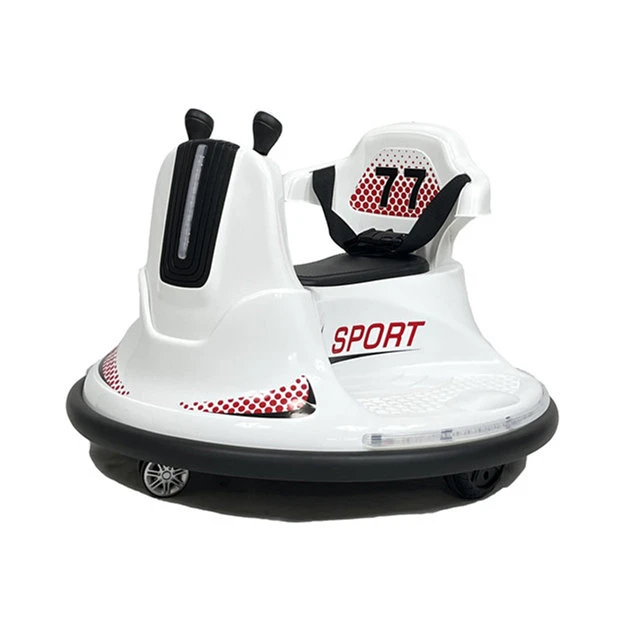

If you are interested in exploring the possibility of adding music to your bumper ride ons or are looking to purchase high - quality bumper ride ons, we are here to help. Our team of experts can provide you with more information and guidance on how to make this addition safely and effectively. Feel free to reach out to us to discuss your specific needs and requirements, and let's work together to create an unforgettable bumper ride on experience.
References
- Electrical Safety Standards for Amusement Rides. National Fire Protection Association.
- Audio Equipment Compatibility Guidelines. Consumer Electronics Association.
- Copyright Law and Music Licensing. United States Copyright Office.