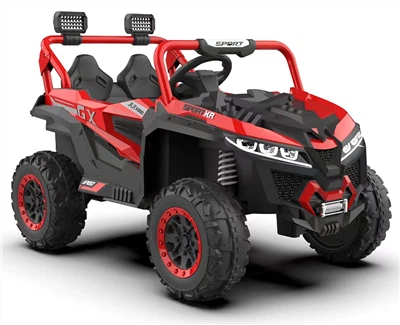
Improving the handling of an off-road ride-on vehicle is a multifaceted endeavor that combines mechanical adjustments, technological enhancements, and a deep understanding of the vehicle's capabilities. As a supplier of off-road ride-on vehicles, I've witnessed firsthand the transformative impact that these improvements can have on the overall performance and user experience. In this blog post, I'll share some insights and strategies on how to enhance the handling of your off-road ride-on vehicle.
Understanding the Basics of Off-Road Handling
Before diving into specific improvements, it's essential to understand the fundamental principles of off-road handling. Off-road terrain presents unique challenges, including uneven surfaces, obstacles, and varying traction conditions. The ability to navigate these challenges effectively depends on several key factors, such as suspension, tires, steering, and weight distribution.

Suspension System Upgrades
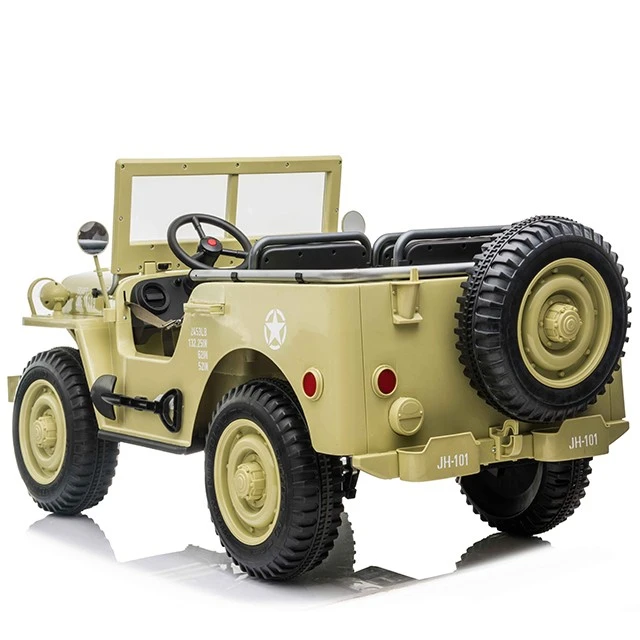
One of the most significant factors affecting off-road handling is the suspension system. A well-designed suspension system can absorb shocks, maintain tire contact with the ground, and improve overall stability. There are several ways to upgrade your off-road ride-on vehicle's suspension system:
- Install Heavy-Duty Springs: Heavy-duty springs can provide increased support and reduce body roll, especially when carrying additional weight or navigating rough terrain.
- Upgrade to Adjustable Shocks: Adjustable shocks allow you to fine-tune the suspension's damping characteristics, providing a smoother ride and better control in different conditions.
- Add Sway Bars: Sway bars help to reduce body roll by connecting the left and right sides of the suspension. This can improve stability and handling, especially during cornering.
Tire Selection and Maintenance
Tires are another critical component of off-road handling. The right tires can provide better traction, improved stability, and enhanced maneuverability. When selecting tires for your off-road ride-on vehicle, consider the following factors:
- Tire Tread Pattern: Different tread patterns are designed for specific types of terrain. For example, aggressive tread patterns are ideal for mud and loose soil, while more conservative patterns are better suited for hard-packed surfaces.
- Tire Size and Width: Larger tires can provide increased ground clearance and better traction, while wider tires can improve stability and handling.
- Tire Pressure: Maintaining the correct tire pressure is essential for optimal performance. Check your tire pressure regularly and adjust it according to the terrain and load.
Steering System Improvements
A responsive and precise steering system is crucial for off-road handling. There are several ways to improve the steering system of your off-road ride-on vehicle:
- Upgrade to a Power Steering System: Power steering can make it easier to turn the wheels, especially at low speeds or when navigating tight turns.
- Install a Steering Stabilizer: A steering stabilizer can help to reduce steering vibrations and improve overall control, especially on rough terrain.
- Adjust the Steering Geometry: Proper steering geometry is essential for optimal handling. Have your steering geometry checked and adjusted regularly to ensure that the wheels are aligned correctly.
Weight Distribution and Balance
Proper weight distribution and balance are essential for off-road handling. Uneven weight distribution can cause the vehicle to handle poorly, especially during cornering and braking. To improve weight distribution and balance:
- Load the Vehicle Evenly: When carrying passengers or cargo, distribute the weight evenly throughout the vehicle. Avoid overloading one side or the other.
- Use a Roof Rack or Cargo Carrier: If you need to carry additional equipment or supplies, use a roof rack or cargo carrier to distribute the weight evenly and reduce the strain on the suspension.
- Consider Upgrading the Brakes: Upgrading the brakes can improve stopping power and reduce the risk of brake fade, especially when carrying additional weight or navigating steep terrain.
Technological Enhancements
In addition to mechanical improvements, there are several technological enhancements that can improve the handling of your off-road ride-on vehicle:
- Install a Traction Control System: A traction control system can help to prevent wheel spin and improve traction, especially on slippery or uneven surfaces.
- Add a Stability Control System: A stability control system can help to prevent the vehicle from skidding or rolling over, especially during emergency maneuvers.
- Use a GPS Navigation System: A GPS navigation system can help you to navigate unfamiliar terrain and avoid getting lost.
Conclusion
Improving the handling of your off-road ride-on vehicle requires a combination of mechanical adjustments, technological enhancements, and a deep understanding of the vehicle's capabilities. By following the tips and strategies outlined in this blog post, you can enhance the performance and user experience of your off-road ride-on vehicle.
If you're interested in learning more about off-road ride-on vehicles or would like to discuss your specific needs and requirements, please don't hesitate to contact us. We're a leading supplier of off-road ride-on vehicles, including the 12V MINI OFF ROADER, Four Wheel Drive Off-road Car, and 24V Amy Jeep. Our team of experts is here to help you find the perfect vehicle for your needs and provide you with the support and guidance you need to get the most out of your off-road adventures.
References
- "Off-Road Vehicle Handling: A Comprehensive Guide." Off-Road Magazine, Vol. 10, No. 2, 2023.
- "The Science of Off-Road Suspension." Automotive Engineering Journal, Vol. 25, No. 3, 2022.
- "Tire Selection and Maintenance for Off-Road Vehicles." Tire Technology International, Vol. 15, No. 4, 2021.