Planning a route for a Quad ATV trip can be an exhilarating and rewarding experience. As a Quad ATV supplier, I've had the privilege of witnessing countless adventurers embark on unforgettable journeys. In this blog post, I'll share my insights on how to plan a route for a Quad ATV trip, ensuring that you have a safe, enjoyable, and memorable adventure.
Step 1: Define Your Objectives
Before you start mapping out your route, it's essential to define your objectives. Are you looking for a challenging off-road adventure, a scenic tour, or a family-friendly outing? Understanding your goals will help you choose the right location and route that aligns with your interests and skill level.
For instance, if you're an experienced rider seeking a thrilling challenge, you might consider exploring rugged mountain trails or desert dunes. On the other hand, if you're planning a trip with your family or friends, a more leisurely route through a forest or along a beach might be more suitable.
Step 2: Research Your Destination
Once you've defined your objectives, it's time to research your destination. Look for areas that offer Quad ATV riding opportunities and are known for their natural beauty, terrain diversity, and safety. You can use online resources, travel guides, and local ATV clubs to gather information about potential destinations.
When researching your destination, pay attention to the following factors:
- Terrain: Consider the type of terrain you'll be riding on, such as dirt roads, trails, mountains, or beaches. Different Quad ATV models are designed for specific terrains, so make sure your vehicle is suitable for the conditions you'll encounter.
- Weather Conditions: Check the weather forecast for your destination and plan your trip accordingly. Extreme weather conditions, such as heavy rain, snow, or high winds, can make riding dangerous and uncomfortable.
- Permits and Regulations: Some areas require permits or have specific regulations for Quad ATV riding. Make sure you obtain the necessary permits and familiarize yourself with the local rules and regulations before you start your trip.
- Safety Considerations: Research the safety features of your destination, such as emergency services, medical facilities, and ATV rental shops. It's also a good idea to carry a first aid kit, a map, a compass, and a communication device with you.
Step 3: Choose Your Route
Once you've researched your destination, it's time to choose your route. When choosing your route, consider the following factors:
- Distance: Determine how far you want to ride each day and plan your route accordingly. Make sure you have enough time to rest, eat, and explore along the way.
- Difficulty Level: Choose a route that matches your skill level and experience. If you're a beginner, start with a easy route and gradually increase the difficulty as you gain more confidence and experience.
- Scenery: Look for routes that offer scenic views, natural attractions, and points of interest. This will make your trip more enjoyable and memorable.
- Trail Conditions: Check the trail conditions before you start your trip and avoid routes that are closed, damaged, or unsafe. You can use online resources, trail maps, and local ATV clubs to gather information about trail conditions.
When choosing your route, it's also a good idea to have a backup plan in case of unexpected circumstances, such as bad weather, mechanical problems, or injuries. Make sure you have a map, a compass, and a communication device with you so you can navigate and call for help if needed.
Step 4: Prepare Your Equipment
Once you've chosen your route, it's time to prepare your equipment. Make sure you have the following items:
- Quad ATV: Choose a Quad ATV that is suitable for your skill level, experience, and the type of terrain you'll be riding on. You can rent a Quad ATV from a local rental shop or purchase one from a reputable dealer.
- Safety Gear: Wear appropriate safety gear, such as a helmet, goggles, gloves, boots, and a protective jacket. Safety gear can help protect you from injuries in case of an accident.
- Tools and Supplies: Carry a basic toolkit, a spare tire, a jack, a tow rope, and other essential supplies with you. This will help you make minor repairs and adjustments to your Quad ATV if needed.
- Food and Water: Pack enough food and water to last for the duration of your trip. Make sure you have a way to store and transport your food and water safely.
- Clothing and Accessories: Dress in layers and wear appropriate clothing for the weather conditions. You may also want to carry a backpack, a camera, a GPS device, and other accessories with you.
Step 5: Plan Your Stops
Once you've prepared your equipment, it's time to plan your stops. Make sure you have enough time to rest, eat, and explore along the way. When planning your stops, consider the following factors:
- Rest Areas: Look for rest areas along your route where you can take a break, stretch your legs, and relax. Rest areas can be found at gas stations, restaurants, parks, and other public places.
- Food and Water Stops: Plan your food and water stops in advance and make sure you have enough supplies to last for the duration of your trip. You can stop at local restaurants, grocery stores, or convenience stores to purchase food and water.
- Points of Interest: Look for points of interest along your route, such as historical sites, natural attractions, and cultural landmarks. This will make your trip more enjoyable and memorable.
- Emergency Stops: Plan your emergency stops in advance and make sure you know where the nearest emergency services, medical facilities, and ATV rental shops are located.
Step 6: Test Your Equipment
Before you start your trip, it's important to test your equipment to make sure it's in good working condition. This includes your Quad ATV, your safety gear, your tools and supplies, and your communication device.
When testing your equipment, pay attention to the following:
- Quad ATV: Check the oil level, the tire pressure, the brakes, the lights, and the battery of your Quad ATV. Make sure all the components are working properly and there are no signs of damage or wear.
- Safety Gear: Make sure your helmet, goggles, gloves, boots, and protective jacket fit properly and are in good condition. Check the straps, the buckles, and the padding of your safety gear to make sure they are secure and comfortable.
- Tools and Supplies: Check your toolkit, your spare tire, your jack, your tow rope, and other essential supplies to make sure they are in good condition and there are no signs of damage or wear.
- Communication Device: Make sure your communication device, such as a cell phone, a walkie-talkie, or a satellite phone, is working properly and has a full charge. Test your communication device in different locations to make sure you have a good signal.
Step 7: Follow Safety Guidelines
When planning a Quad ATV trip, it's important to follow safety guidelines to ensure your safety and the safety of others. Here are some safety tips to keep in mind:

- Wear Safety Gear: Always wear a helmet, goggles, gloves, boots, and a protective jacket when riding your Quad ATV. Safety gear can help protect you from injuries in case of an accident.
- Ride at a Safe Speed: Obey the speed limits and ride at a safe speed for the conditions. Avoid riding too fast, especially on unfamiliar terrain or in poor weather conditions.
- Stay on Designated Trails: Only ride on designated trails and avoid riding on private property or in areas where Quad ATV riding is prohibited.
- Be Aware of Your Surroundings: Pay attention to your surroundings and be aware of other riders, pedestrians, and wildlife. Use your mirrors and signals to communicate with other riders and avoid sudden maneuvers.
- Ride with a Buddy: It's always a good idea to ride with a buddy or a group of riders. This will increase your safety and provide assistance in case of an emergency.
- Carry a First Aid Kit: Carry a first aid kit with you and know how to use it. In case of an injury, seek medical attention immediately.
Step 8: Have Fun!
Finally, remember to have fun! Planning a Quad ATV trip is a great way to explore the outdoors, challenge yourself, and create unforgettable memories. So, relax, enjoy the ride, and make the most of your adventure.
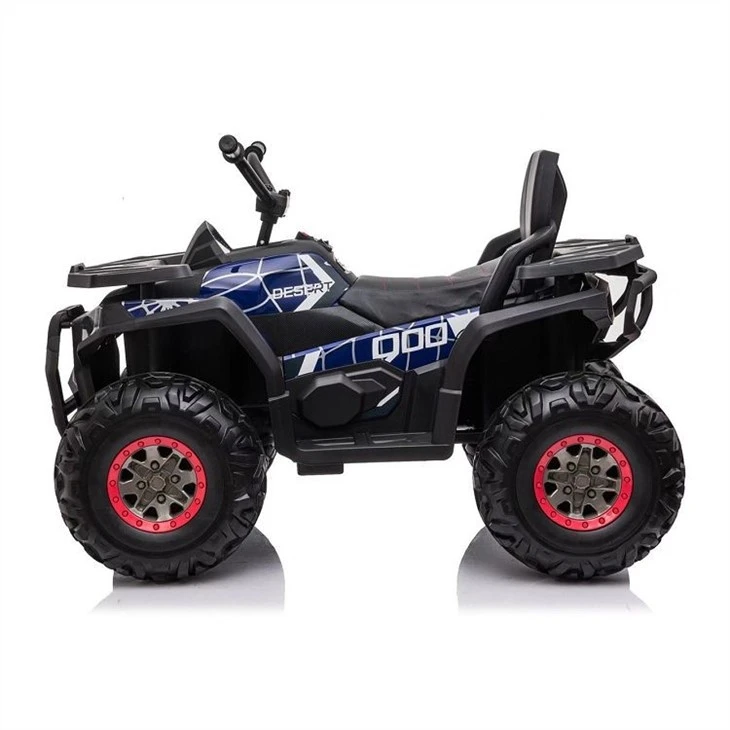
If you're interested in purchasing a Quad ATV for your next trip, we offer a wide range of high-quality Quad ATV models, including the LITTLE BEACH CAR, the 12V Super Quad ATV, and the Licensed Can Am Renegade ATV. Our Quad ATVs are designed for performance, durability, and safety, and are suitable for riders of all skill levels.
If you have any questions or need help planning your Quad ATV trip, please don't hesitate to contact us. We're here to help you make the most of your adventure and ensure your safety and enjoyment.
References
- "ATV Safety Tips." ATV Safety Institute. Accessed [Date]. [Website URL].
- "How to Plan an ATV Trip." Outdoor Life. Accessed [Date]. [Website URL].
- "Quad ATV Buying Guide." Consumer Reports. Accessed [Date]. [Website URL].