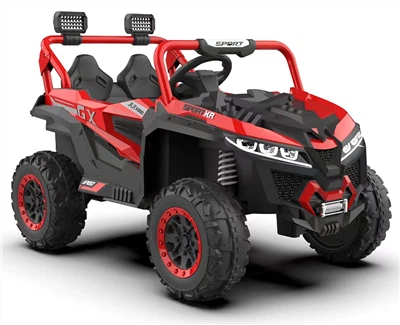
Transporting an off-road ride-on vehicle can be a complex yet manageable task, especially when you're a supplier like me. In this blog, I'll share my insights and experiences on how to transport these exciting off-road toys safely and efficiently.
Understanding the Types of Off-Road Ride-On Vehicles
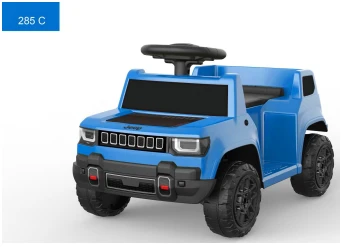
Before we dive into the transportation methods, it's essential to understand the different types of off-road ride-on vehicles we offer. We have a wide range of products, from the JEEP OFF-ROAD SUV OF 24 VOLT RIDE ON CAR to the 12V Big Wheels Off Roader and the JEEP RECON QUAD RIDE ON. Each vehicle has its unique size, weight, and shape, which will influence the transportation process.
The 24-volt Jeep SUV ride-on car is a larger and more robust vehicle, designed to provide a thrilling off-road experience for kids. It has a sturdy frame and big wheels, which make it suitable for rough terrains. On the other hand, the 12V Big Wheels Off Roader is more compact and lightweight, making it easier to handle and transport. The JEEP RECON QUAD RIDE ON offers a different riding experience, with its quad design and powerful motor.
Preparing the Vehicle for Transportation
The first step in transporting an off-road ride-on vehicle is to prepare it properly. This involves cleaning the vehicle to remove any dirt, mud, or debris that may have accumulated during use. A clean vehicle not only looks better but also reduces the risk of damage during transportation.
Next, you need to secure any loose parts or accessories. Check for any detachable components, such as mirrors, antennas, or storage compartments, and make sure they are either removed or securely fastened. This will prevent them from getting lost or damaged during transit.
If the vehicle has a battery, it's important to handle it carefully. Remove the battery if possible, and store it separately in a safe and dry place. This will prevent any potential electrical issues and reduce the risk of damage to the battery or the vehicle.
Choosing the Right Transportation Method
There are several transportation methods available for off-road ride-on vehicles, each with its advantages and disadvantages. The choice of method will depend on various factors, such as the distance of transportation, the size and weight of the vehicle, and your budget.
Trailers
Trailers are a popular choice for transporting off-road ride-on vehicles, especially for longer distances. They come in different sizes and designs, allowing you to choose the one that best suits your needs. A trailer provides a secure and stable platform for the vehicle, protecting it from the elements and potential damage during transit.
When using a trailer, make sure it is properly attached to your vehicle and that the load is evenly distributed. Use straps or tie-downs to secure the vehicle to the trailer, preventing it from shifting or moving during transportation.
Pickup Trucks
Pickup trucks are another option for transporting off-road ride-on vehicles. They offer a convenient and flexible way to move the vehicle, especially for shorter distances. You can load the vehicle directly into the truck bed and secure it using straps or tie-downs.
However, it's important to note that pickup trucks may not be suitable for larger or heavier vehicles. Make sure the truck has enough capacity to carry the weight of the vehicle and that the bed is large enough to accommodate it.
Shipping Services
If you need to transport the vehicle over a long distance or to a different location, shipping services may be the best option. There are many shipping companies that specialize in transporting vehicles, including off-road ride-on vehicles.
When choosing a shipping service, make sure to do your research and choose a reputable company. Check their reviews and ratings, and ask for references if possible. Make sure the company offers insurance coverage for the vehicle during transit, to protect it from any potential damage or loss.
Loading and Unloading the Vehicle
Loading and unloading the off-road ride-on vehicle is a critical step in the transportation process. It's important to do it carefully and safely to prevent any damage to the vehicle or injury to yourself.
When loading the vehicle onto a trailer or pickup truck, use a ramp to make the process easier. Make sure the ramp is secure and stable, and that it can support the weight of the vehicle. Slowly drive the vehicle up the ramp and onto the trailer or truck bed, and then secure it using straps or tie-downs.
Unloading the vehicle is the reverse process. Make sure the ramp is in place and secure, and then slowly drive the vehicle down the ramp and off the trailer or truck bed.

Ensuring Safety During Transportation
Safety should always be your top priority when transporting an off-road ride-on vehicle. Here are some safety tips to keep in mind:
- Follow Traffic Laws: Make sure you follow all traffic laws and regulations when transporting the vehicle. This includes obeying speed limits, using turn signals, and wearing seat belts.
- Check the Vehicle Regularly: During transportation, stop regularly to check the vehicle and make sure it is still secure. Check the straps or tie-downs to make sure they are tight and that the vehicle has not shifted or moved.
- Be Prepared for Emergencies: Carry a first aid kit, a fire extinguisher, and a spare tire in case of emergencies. Make sure you know how to use these items and that they are easily accessible.
Conclusion
Transporting an off-road ride-on vehicle requires careful planning and preparation. By following the steps outlined in this blog, you can ensure that your vehicle is transported safely and efficiently. Whether you choose to use a trailer, a pickup truck, or a shipping service, make sure you take the necessary precautions to protect the vehicle and yourself during transportation.
If you're interested in purchasing an off-road ride-on vehicle or have any questions about transportation, please feel free to contact us. We're here to help you find the perfect vehicle for your needs and provide you with the best transportation solutions.
References
- Automotive Transportation Handbook
- Safety Guidelines for Vehicle Transportation