

Hey there! I'm a supplier of Ride On Classic Cars, and I've been in this business for quite a while. One question I get asked a lot is, "What are the differences between electric and non - electric ride on classic cars?" Well, let's dive right in and explore this topic together.
Power Source
The most obvious difference between electric and non - electric ride on classic cars is the power source. Electric ride on cars are powered by rechargeable batteries. These batteries are usually easy to charge, often just needing to be plugged into a standard electrical outlet. For example, our 12V Retro Vintage Car Series runs on a 12 - volt battery. Once fully charged, kids can enjoy a decent amount of playtime.
On the other hand, non - electric ride on cars rely on human power. This could mean pushing the car with their feet, like those little pedal cars. Some non - electric models also use spring - loaded mechanisms or other manual means to move. It's all about the physical effort of the child to get the car going.
Speed and Control
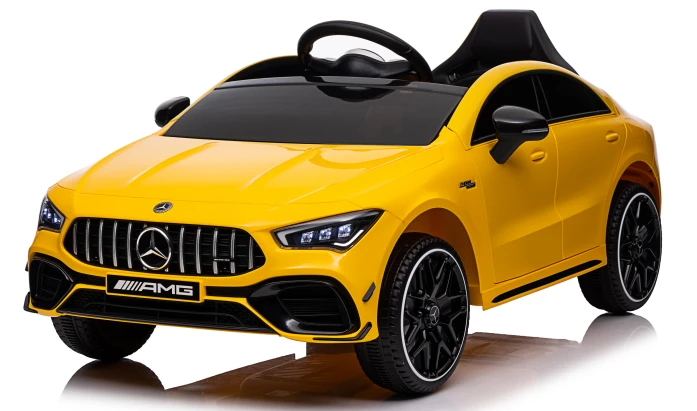
When it comes to speed, electric ride on classic cars have an edge. They can reach a consistent speed, and some models even allow you to adjust the speed settings. This is great for parents who want to control how fast their kids are going. For instance, our Mercedes Benz CLA45 Ride On Car has different speed modes, so you can start your child off at a slow, safe pace and gradually increase it as they get more confident.
Non - electric cars, however, have a more variable speed. The speed depends entirely on how hard the child pedals or pushes. It can be a bit more unpredictable, but it also gives kids a sense of control over their movement. They learn how to use their own strength to go faster or slower, which is a valuable skill.
Maintenance
Maintenance is another area where these two types of cars differ. Electric ride on cars require some battery - related maintenance. You need to make sure the battery is charged properly and not over - charged. Over time, the battery may lose its capacity and need to be replaced. Also, the electrical components like motors and wiring need to be checked occasionally for any signs of wear or damage.
Non - electric cars are generally easier to maintain. Since there are no batteries or electrical parts, you mainly just need to keep an eye on the mechanical parts like pedals, wheels, and axles. A little bit of lubrication on the moving parts every now and then is usually all that's needed.
Noise Level
Noise is something that might not be a big deal to kids, but it can be important for parents. Electric ride on cars are relatively quiet. The motor usually makes a soft humming sound, which is not very intrusive. This means you can let your kids play indoors or in the neighborhood without disturbing the peace too much.

Non - electric cars can be a bit noisier, especially those with metal parts. The sound of pedals creaking or wheels rolling on the ground can be louder, especially if the car is used on a hard surface.
Cost
Cost is always a factor when making a purchase. Electric ride on classic cars tend to be more expensive upfront. The cost of the battery, motor, and other electrical components adds to the price. However, in the long run, the cost of running an electric car is relatively low, as you only need to pay for the electricity to charge the battery.
Non - electric cars are usually cheaper to buy. They have a simpler design and fewer components, which keeps the cost down. There are no ongoing battery - replacement costs either.
Realism and Features
Electric ride on cars often come with more realistic features. They can have working headlights, horn sounds, and even MP3 players. Some models, like our Licensed Mercedez SL63, are designed to look and feel just like the real - life cars. The controls are also more similar to those of a real car, which gives kids a more immersive experience.
Non - electric cars, while they can still look great, usually have fewer features. Their main focus is on the basic function of getting the child from one place to another.
Safety
Safety is a top priority for any parent. Electric ride on cars often come with safety features like seat belts and speed limiters. The speed limiters can be adjusted to ensure that the car doesn't go too fast for the child's age and skill level.
Non - electric cars also have their own safety aspects. Since they rely on the child's physical effort, the speed is usually more within the child's control. However, there is still a risk of falls or collisions, especially if the child is not careful.
Environmental Impact
In today's world, environmental impact is an important consideration. Electric ride on cars are more environmentally friendly in the long run. Once the initial manufacturing process is done, they don't produce any emissions during use. You're just using electricity, which can be sourced from renewable energy.
Non - electric cars have a lower environmental impact during manufacturing, as they have fewer components and don't require the production of batteries. But overall, both types of cars can be considered relatively eco - friendly compared to full - sized vehicles.
Suitability for Different Ages
Electric ride on cars are great for younger kids who may not have the strength or coordination to pedal a non - electric car. The easy - to - use controls and adjustable speeds make them accessible for toddlers and preschoolers.
Non - electric cars are better suited for older kids who have developed the physical strength to pedal effectively. They can provide a good workout and help with the development of leg muscles.
Conclusion
So, there you have it! The differences between electric and non - electric ride on classic cars are quite significant. Each type has its own advantages and disadvantages, and the choice ultimately depends on your child's age, your budget, and your personal preferences.
If you're interested in purchasing a ride on classic car for your child, whether it's an electric or non - electric model, I'd love to have a chat with you. We can discuss your specific needs and find the perfect car for your little one. Just reach out, and we can start the procurement process together.
References
- General knowledge from years of experience in the ride on classic car industry.
- Customer feedback and inquiries over time.


