Riding a licensed motorcycle in a rural area can be an exhilarating experience, offering a unique blend of freedom and connection with nature. As a licensed motorcycle supplier, I've witnessed firsthand the joy and adventure that rural motorcycle rides can bring. However, it's crucial to understand and follow the rules to ensure a safe and legal journey. In this blog, I'll share the essential rules for riding a licensed motorcycle in a rural area.
Licensing and Documentation
First and foremost, you must have a valid motorcycle license. Different regions have different requirements for obtaining a motorcycle license, but generally, it involves passing a written test, a practical riding test, and meeting certain age and health criteria. Make sure your license is up - to - date and appropriate for the type of motorcycle you're riding.
In addition to your license, you should always carry proper documentation when riding. This includes your motorcycle's registration papers, proof of insurance, and any other relevant permits. Law enforcement officers may ask to see these documents during a routine check, and not having them can result in fines or other penalties.
Motorcycle Safety Equipment
Safety should be your top priority when riding a motorcycle. Wearing the right safety equipment can significantly reduce the risk of injury in case of an accident. A high - quality helmet is non - negotiable. It should fit properly and meet the safety standards of your region. Look for helmets that are certified by recognized organizations.
Eye protection is also essential. Whether it's a visor on your helmet or a pair of goggles, it protects your eyes from dust, debris, insects, and wind. Gloves are another important piece of safety gear. They provide a better grip on the handlebars and protect your hands in case of a fall.
Proper clothing is crucial as well. Wear long - sleeved shirts, long pants, and sturdy boots. These can protect your skin from road rash and other injuries. Some riders also choose to wear protective jackets and pants with built - in armor for added safety.
Road Rules and Regulations
Rural roads may seem less congested than urban ones, but they still have their own set of rules. Obey all traffic signs and signals. This includes speed limits, stop signs, and yield signs. Speed limits on rural roads are set for a reason, taking into account factors like road conditions, visibility, and the presence of wildlife.
When passing other vehicles, use your turn signals and make sure it's safe to do so. Give plenty of space to the vehicle you're passing, and return to your lane only when you can see the vehicle you passed in your rear - view mirror.
Be aware of right - of - way rules. At intersections, the vehicle on the right usually has the right - of - way, but this can vary depending on local regulations. When approaching a four - way stop, the first vehicle to stop has the right to go first.
Dealing with Rural Road Conditions
Rural roads often have different conditions compared to urban roads. They may be unpaved, have potholes, or be affected by weather conditions. When riding on unpaved roads, reduce your speed and be prepared for less traction. Potholes can cause you to lose control of your motorcycle, so keep an eye out for them and try to avoid them if possible.
In wet or icy conditions, be extra cautious. Braking distances increase, and the risk of skidding is higher. Slow down and use your brakes gently. If it's raining, make sure your visibility is good by using your windshield wipers (if your motorcycle has them) and keeping your helmet visor clean.
Wildlife is also a common hazard on rural roads. Deer, rabbits, and other animals may suddenly cross the road. Stay alert, especially during dawn and dusk when animals are more active. If you see an animal on or near the road, slow down and be prepared to stop.
Riding in Groups
If you're riding in a group, there are additional rules to follow. Stay in a single - file formation when riding on rural roads, especially on narrow or winding roads. This helps maintain safety and visibility. Use hand signals to communicate with other riders in the group. For example, a left - hand gesture can indicate a left turn, and a right - hand gesture can indicate a right turn.


Keep a safe distance between motorcycles in the group. This gives you enough time to react in case the motorcycle in front of you stops suddenly. When stopping, make sure to park your motorcycles in an organized manner so as not to block traffic.
Our Licensed Motorcycle Offerings
As a licensed motorcycle supplier, we offer a wide range of high - quality motorcycles suitable for rural riding. Our 12V THREE WHEELS MOTOR is a great option for those who want a stable and easy - to - ride vehicle. It's designed with safety in mind and can handle different rural road conditions.
The 12v Licensed Italian Big VESPA Genuine Ride On Car is another popular choice. It combines style and functionality, making it perfect for both short and long rides in the countryside.
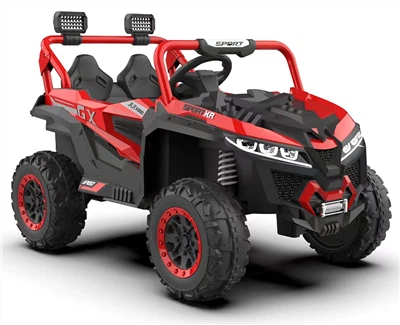
For those who love off - road adventures, our Off Road Motorcycles are built to handle rough terrains. They have powerful engines and durable suspensions to ensure a smooth and exciting ride.
Contact for Purchase and Consultation
If you're interested in purchasing a licensed motorcycle for rural riding, or if you have any questions about our products or the rules for riding in rural areas, we'd love to hear from you. Contact us to start a conversation about your needs and preferences. We can provide you with more information about our motorcycles, pricing, and financing options.
References
- National Highway Traffic Safety Administration (NHTSA). Motorcycle Safety Guidelines.
- Local Department of Motor Vehicles (DMV) Handbooks.
- Motorcycle Safety Foundation (MSF) Training Materials.