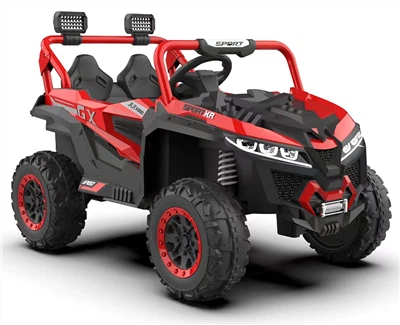
As a supplier of engineering vehicles, I often encounter questions from customers regarding the maintenance cycle of these vehicles. Understanding the maintenance cycle is crucial for ensuring the longevity, reliability, and safety of engineering vehicles. In this blog, I will delve into the factors that influence the maintenance cycle and provide some general guidelines for different types of engineering vehicles.
Factors Influencing the Maintenance Cycle
Several factors determine the appropriate maintenance cycle for engineering vehicles. These factors can vary significantly depending on the type of vehicle, its usage, operating conditions, and manufacturer recommendations. Here are some of the key factors to consider:
Vehicle Type
Different types of engineering vehicles have different maintenance requirements. For example, heavy-duty trucks used in construction and mining operations typically require more frequent maintenance compared to smaller utility vehicles. Trucks like the Tnoka Truck, which are designed for heavy loads and rough terrains, need regular checks on their engines, transmissions, brakes, and suspension systems.
Usage
The intensity of vehicle usage plays a major role in determining the maintenance cycle. Vehicles that are used continuously for long hours or in demanding applications will require more frequent maintenance. For instance, a MINING VEHICLE RIDE ON that operates in a mine all day, every day, will need more attention than a similar vehicle used occasionally for light-duty tasks.
Operating Conditions
The environment in which the vehicle operates can also impact its maintenance needs. Vehicles operating in extreme temperatures, dusty or corrosive environments, or on rough terrains will experience more wear and tear. For example, a 12V Fire Truck 12V Fire Truck that is exposed to high heat, water, and chemicals during firefighting operations will require specialized maintenance to prevent damage to its components.
Manufacturer Recommendations
Vehicle manufacturers provide detailed maintenance schedules in the owner's manual. These schedules are based on extensive testing and research to ensure optimal performance and reliability. It is essential to follow these recommendations closely to avoid voiding the warranty and to keep the vehicle in good working condition.
General Maintenance Cycle Guidelines
While the specific maintenance cycle for each vehicle will depend on the factors mentioned above, here are some general guidelines for different types of engineering vehicles:
Heavy-Duty Trucks
- Daily Checks: Before each shift, operators should perform a visual inspection of the truck, checking for any signs of damage, leaks, or loose components. They should also check the tire pressure, fluid levels (engine oil, coolant, brake fluid, etc.), and the operation of lights and signals.
- Weekly Maintenance: Once a week, the truck should undergo a more thorough inspection. This includes checking the air filters, fuel filters, and battery terminals. The brakes, steering, and suspension systems should also be inspected for any signs of wear or damage.
- Monthly Maintenance: Monthly maintenance tasks may include changing the engine oil and oil filter, inspecting the drive belts and hoses, and checking the alignment of the wheels.
- Quarterly Maintenance: Every three months, the truck should be serviced more comprehensively. This may involve checking the transmission fluid, differential fluid, and power steering fluid. The brakes and clutch should also be adjusted if necessary.
- Annual Maintenance: At the end of each year, the truck should undergo a major service. This includes a complete engine tune-up, inspection of the exhaust system, and a thorough check of all electrical components.
Utility Vehicles
- Daily Checks: Similar to heavy-duty trucks, utility vehicles should be visually inspected before each use. Operators should check the tire pressure, fluid levels, and the operation of lights and signals.
- Weekly Maintenance: Weekly maintenance for utility vehicles may include checking the air filter, cleaning the battery terminals, and lubricating moving parts.
- Monthly Maintenance: Monthly tasks may include changing the engine oil and oil filter, inspecting the brakes and suspension, and checking the electrical system.
- Semi-Annual Maintenance: Every six months, the utility vehicle should be serviced more extensively. This may involve checking the transmission fluid, coolant system, and fuel system.
- Annual Maintenance: At the end of each year, the utility vehicle should undergo a comprehensive service, including a complete engine tune-up and inspection of all major components.
Specialized Vehicles
Specialized engineering vehicles, such as fire trucks, cranes, and forklifts, have unique maintenance requirements. These vehicles often have complex systems and components that require specialized knowledge and tools for maintenance. It is essential to follow the manufacturer's recommendations and to have these vehicles serviced by qualified technicians.
Importance of Regular Maintenance
Regular maintenance is not only essential for the performance and reliability of engineering vehicles but also for the safety of the operators and the public. Here are some of the key benefits of regular maintenance:
Improved Performance
Proper maintenance ensures that the vehicle operates at its optimal level. This includes maintaining the engine's power and efficiency, ensuring smooth operation of the transmission and other components, and improving fuel economy.
Extended Lifespan
By addressing minor issues before they become major problems, regular maintenance can significantly extend the lifespan of the vehicle. This reduces the need for costly repairs and replacements and increases the return on investment for the vehicle.
Enhanced Safety
Well-maintained vehicles are safer to operate. Regular inspections and maintenance of the brakes, steering, suspension, and other safety-critical components help prevent accidents and ensure the safety of the operators and other road users.


Compliance with Regulations
Many industries have strict regulations regarding the maintenance and safety of engineering vehicles. Regular maintenance helps ensure that the vehicles comply with these regulations, avoiding potential fines and legal issues.
Conclusion
In conclusion, the maintenance cycle of engineering vehicles is influenced by several factors, including vehicle type, usage, operating conditions, and manufacturer recommendations. By understanding these factors and following the appropriate maintenance schedules, operators can ensure the longevity, reliability, and safety of their vehicles.
As a supplier of engineering vehicles, I am committed to providing high-quality products and excellent customer service. If you have any questions about the maintenance of our vehicles or if you are interested in purchasing a new engineering vehicle, please feel free to contact us. We would be happy to assist you with your needs and provide you with the information you need to make an informed decision.
References
- Manufacturer's Owner's Manuals for Engineering Vehicles
- Industry Standards and Guidelines for Vehicle Maintenance