As a supplier of 12V Wild Cross UTVs, I often receive inquiries from customers about the minimum speed of these vehicles. In this blog post, I'll delve into this topic and provide you with a comprehensive understanding of the minimum speed of the 12V Wild Cross UTV, along with some insights into its performance and features.
Understanding the 12V Wild Cross UTV
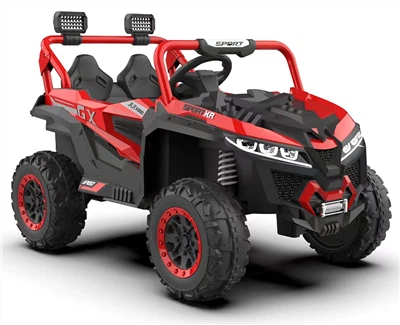
Before we discuss the minimum speed, let's first understand what the 12V Wild Cross UTV is. The 12V Wild Cross UTV is a popular choice among off - road enthusiasts, especially for younger riders or those looking for a more compact and beginner - friendly off - road vehicle. It is powered by a 12 - volt battery, which provides a balance between power and safety.


These UTVs are designed with a sturdy frame, large off - road tires, and a suspension system that can handle various terrains. They come with a range of features such as a realistic dashboard, working headlights, and sometimes even a horn, which adds to the overall fun and immersive experience for the riders.
Determining the Minimum Speed
The minimum speed of a 12V Wild Cross UTV is influenced by several factors. Firstly, the design of the electric motor plays a crucial role. The motor is calibrated to operate within a certain speed range, and the minimum speed is the lowest point in that range.
Typically, the minimum speed of a 12V Wild Cross UTV is around 1 - 2 miles per hour (mph). This slow speed is intentional and serves several important purposes. For novice riders, especially children, a low minimum speed allows them to get used to controlling the vehicle. They can learn how to steer, accelerate, and brake at a safe and manageable pace.
Secondly, the terrain on which the UTV is operating can also affect the minimum speed. On flat, smooth surfaces, the UTV can maintain its calibrated minimum speed more easily. However, on rough or uneven terrains, such as gravel, sand, or grass, the minimum speed might fluctuate slightly. The resistance from the terrain can cause the motor to work a bit harder, which may result in a minor decrease in speed.
Another factor is the weight of the rider. A heavier rider will put more strain on the motor, which can potentially affect the minimum speed. If the rider exceeds the recommended weight limit of the UTV, it may cause the motor to struggle and could even lead to a slower minimum speed than normal.
Performance at Minimum Speed
At its minimum speed, the 12V Wild Cross UTV offers stable and smooth operation. The low - speed control allows for precise maneuvering, which is essential when navigating through tight spaces or around obstacles. For example, if the rider wants to make a sharp turn or avoid a small rock on the trail, the slow speed gives them enough time to react and make the necessary adjustments.
The suspension system also plays an important role at low speeds. It helps to absorb the shocks from the terrain, ensuring a comfortable ride even at the slowest pace. This is particularly beneficial for younger riders who may be more sensitive to bumps and jolts.
Comparison with Other UTV Models
When comparing the 12V Wild Cross UTV with other UTV models in the market, such as the Licensed Can Am Marverick UTV and the 24V Police Style UTV, there are some notable differences in terms of minimum speed.
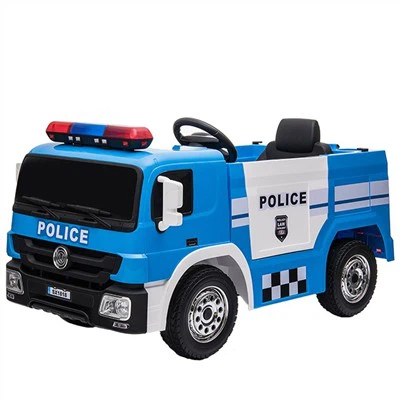
The Licensed Can Am Marverick UTV, which is often more powerful and designed for more advanced riders, may have a higher minimum speed. This is because it is built to handle more challenging terrains and has a more robust motor. On the other hand, the 24V Police Style UTV, with its higher voltage battery, also tends to have a wider speed range, and its minimum speed might be slightly different from the 12V Wild Cross UTV.
The Simulated Cool Off - road Vehicle may have a similar minimum speed to the 12V Wild Cross UTV if it is also designed for beginner or younger riders. However, its performance and features may vary depending on the specific design and build of the vehicle.
Importance of Minimum Speed in Safety
The minimum speed of the 12V Wild Cross UTV is not just about performance; it is also a crucial safety feature. As mentioned earlier, the low minimum speed allows novice riders to learn the basics of operating the vehicle without the risk of high - speed accidents.
In addition, a slow minimum speed gives the rider more time to react to unexpected situations. For example, if an animal suddenly crosses the path or if there is an obstacle in the way, the rider can stop the vehicle in time at a low speed. This reduces the likelihood of collisions and injuries.
Maintenance and Minimum Speed
Proper maintenance of the 12V Wild Cross UTV is essential to ensure that it maintains its minimum speed and overall performance. Regularly checking the battery is crucial, as a weak or faulty battery can cause the motor to underperform, which may result in a slower minimum speed.
The tires also need to be in good condition. Worn - out tires can increase the resistance on the terrain, making it harder for the motor to maintain the minimum speed. Keeping the tires properly inflated and replacing them when necessary will help to ensure smooth operation at all speeds.
Conclusion
In conclusion, the minimum speed of the 12V Wild Cross UTV is typically around 1 - 2 mph, which is designed to provide a safe and manageable experience for novice riders. This low speed is influenced by factors such as the motor design, terrain, and rider weight. At its minimum speed, the UTV offers stable performance and precise maneuverability, making it suitable for various off - road adventures.
If you are interested in purchasing a 12V Wild Cross UTV or have any questions about its performance, minimum speed, or other features, please feel free to contact us for further discussion. We are here to assist you in finding the perfect UTV for your needs.
References
- Manufacturer's specifications for the 12V Wild Cross UTV
- Industry research on electric UTV performance
- Safety guidelines for off - road vehicles