Hey there! As a supplier of bumper ride ons, I often get asked about the kind of batteries these fun little rides use. So, I thought I'd take some time to break it down for you.
First off, let's talk about why the battery is such a big deal. The battery is like the heart of a bumper ride on. It provides the power that makes the car move, the lights flash, and the sounds play. Without a good battery, your bumper ride on is just a stationary piece of plastic.
There are a few different types of batteries commonly used in bumper ride ons, and each has its own pros and cons.
Lead - Acid Batteries
Lead - acid batteries are one of the most traditional choices for bumper ride ons. They're relatively inexpensive, which is a big plus for manufacturers and consumers alike. These batteries are also known for their high current output, which means they can deliver a lot of power quickly. This is great for bumper cars because it allows them to accelerate fast and have that exciting "bumping" action.
However, lead - acid batteries do have some drawbacks. They're quite heavy, which can make the bumper ride on a bit more cumbersome to move around. They also need regular maintenance, like checking the water levels in the cells. And, if not disposed of properly, they can be harmful to the environment because of the lead and acid they contain.
Nickel - Metal Hydride (NiMH) Batteries
NiMH batteries are a more modern alternative to lead - acid batteries. They have a higher energy density, which means they can store more energy in a smaller and lighter package. This makes the bumper ride on lighter and easier to handle. NiMH batteries also don't have the memory effect that some other types of batteries have. The memory effect is when a battery "remembers" the amount of charge it's usually discharged to and loses capacity over time.
But NiMH batteries are more expensive than lead - acid batteries. They also tend to self - discharge faster, which means they'll lose their charge even when not in use. So, if you don't use your bumper ride on for a while, you might find that the battery is almost dead when you want to use it again.

Lithium - Ion (Li - Ion) Batteries
Lithium - ion batteries are becoming increasingly popular in bumper ride ons. They have an even higher energy density than NiMH batteries, so they can make the bumper ride on very lightweight. They also have a long lifespan and can handle a large number of charge - discharge cycles. This means you won't have to replace the battery as often.
On the downside, Li - ion batteries are the most expensive of the three types. They also require a special charger to ensure safe charging, and if they're not charged or used correctly, they can be a fire hazard. But with proper precautions, they're a great option for a high - performance bumper ride on.
Now, let's talk about the voltage of the batteries. Different bumper ride ons use different battery voltages, depending on their size, features, and intended use.
6V Batteries
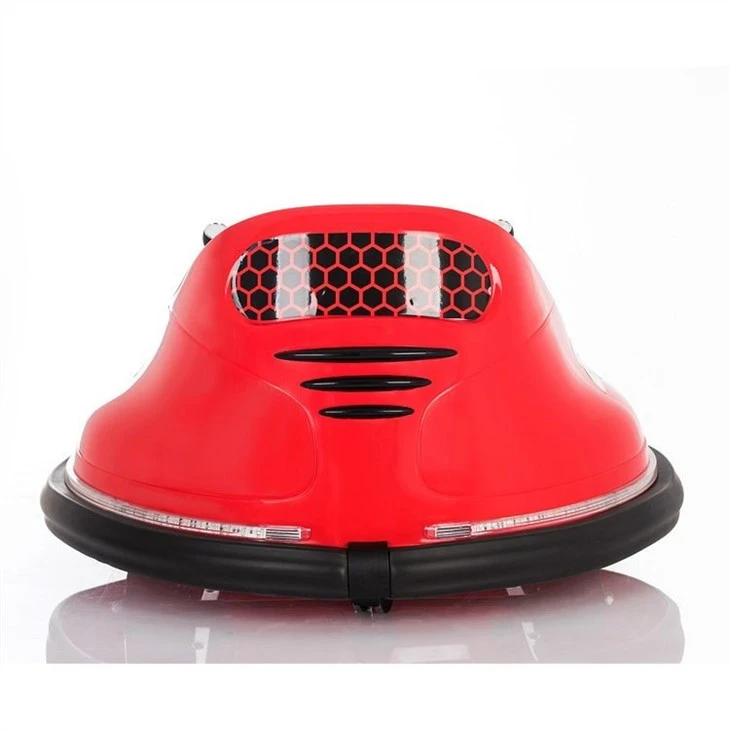
6V batteries are commonly used in smaller, indoor bumper ride ons. These are usually designed for younger kids or for use in limited spaces. A 6V battery provides enough power for a slow - paced, gentle ride. Our 6V Indoor Bumper Car is a great example of a bumper ride on that uses a 6V battery. It's perfect for little ones to have some fun indoors without going too fast or causing too much chaos.
12V Batteries
12V batteries are used in larger and more powerful bumper ride ons. These can be either indoor or outdoor models. A 12V battery can deliver more power, which allows the bumper car to go faster and have more intense collisions. Our 12V Drift Bumper Car is a high - energy option that uses a 12V battery. It's designed for older kids and even adults who want a more thrilling ride.
Other Voltages
There are also some specialty bumper ride ons that might use different voltages, like 24V or even higher. These are usually very large, commercial - grade bumper cars that are used in amusement parks or large entertainment venues. But for most home - use bumper ride ons, 6V and 12V are the most common.
When choosing a bumper ride on, it's important to consider the type and voltage of the battery. If you have a young child, a 6V battery - powered bumper car might be the best choice. It'll be safe and easy for them to handle. But if you're looking for a more exciting ride for older kids or adults, a 12V battery - powered model is probably what you want.
Another thing to keep in mind is the battery life. The battery life of a bumper ride on depends on a few factors, like the type of battery, the voltage, and how you use the ride. Generally, you can expect a fully charged battery to last anywhere from 30 minutes to a few hours. If you use the bumper car at full speed all the time or with all the lights and sounds on, the battery will drain faster.
So, there you have it! That's a quick rundown of the different types of batteries used in bumper ride ons. Whether you're a parent looking for a fun toy for your kids or an amusement park owner in need of some new attractions, I hope this information helps you make an informed decision.
If you're interested in purchasing any of our bumper ride ons, like the 6V Hot Bumper Car, feel free to reach out to us. We're always happy to answer any questions you might have and help you find the perfect bumper ride on for your needs.
References
- Battery University: A comprehensive resource for battery information.
- Industry reports on the toy and amusement park vehicle market.