Riding a licensed motorcycle in a residential area comes with a set of specific rules and considerations that every rider should be aware of. As a licensed motorcycle supplier, I've witnessed firsthand the importance of adhering to these rules not only for the safety of the riders but also for the well - being of the residents in the area.
1. Speed Limits
One of the most crucial rules when riding a motorcycle in a residential area is to respect the speed limits. Residential areas are designed with the safety of pedestrians, children, and other vulnerable road users in mind. Most residential areas have a speed limit of around 25 miles per hour (40 kilometers per hour), although this can vary depending on local regulations.
Exceeding the speed limit not only increases the risk of accidents but also disturbs the peace of the neighborhood. A fast - moving motorcycle can be a danger to children who might suddenly run into the street, and it can also startle pedestrians. As a supplier, I always emphasize to my customers that a slow and steady pace is the key when navigating through residential streets.
2. Noise Regulations
Motorcycles can be noisy, and excessive noise can be a nuisance to residents. Many local authorities have strict noise regulations in place for motorcycles, especially in residential areas. These regulations often limit the decibel level of a motorcycle's exhaust system.
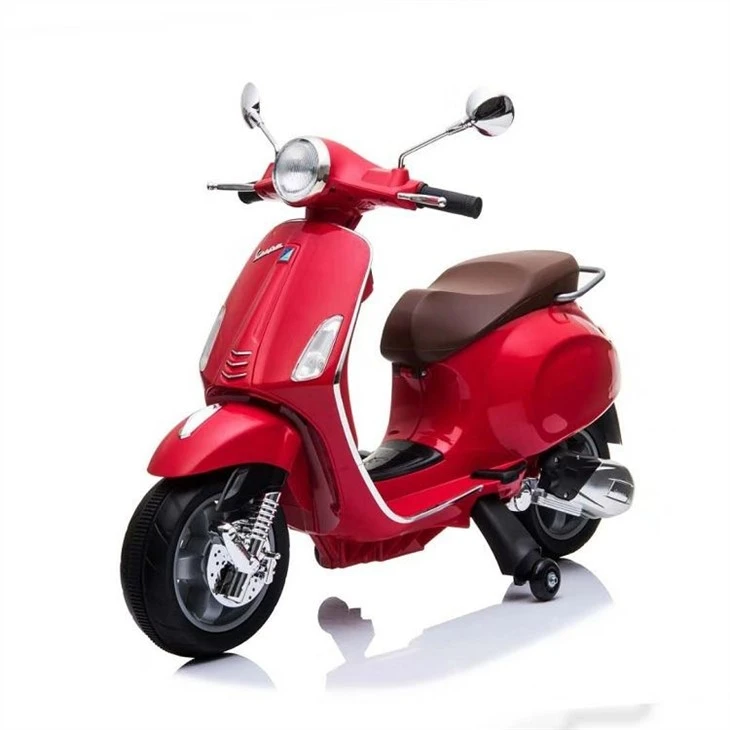
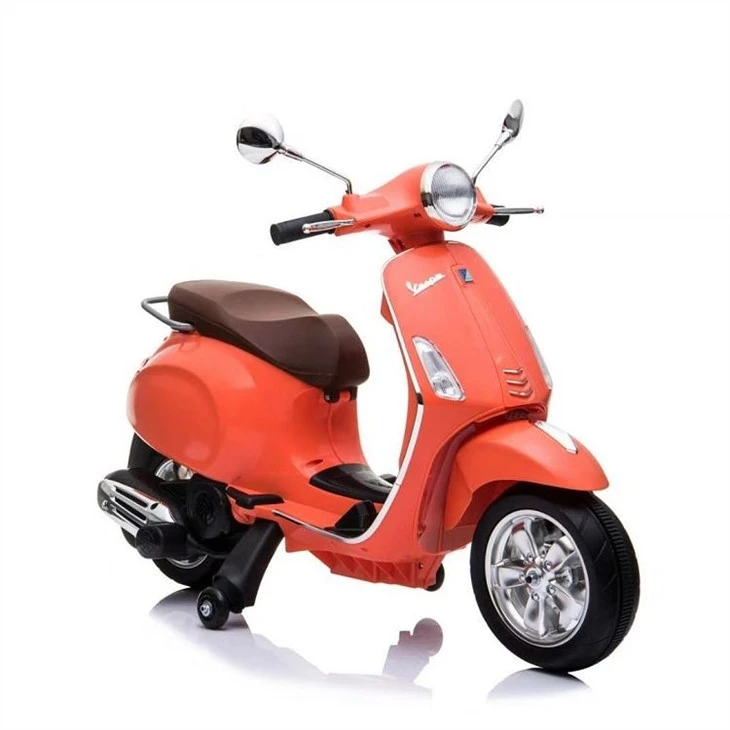
When supplying motorcycles, I make sure to offer models that comply with these noise regulations. For example, the Vespa Licensed Scooter is known for its relatively quiet operation, making it a great choice for riders who frequently travel through residential areas. It's important for riders to maintain their motorcycles properly, as a poorly maintained exhaust system can increase noise levels.
3. Right - of - Way
Understanding right - of - way rules is essential when riding a motorcycle in a residential area. Pedestrians always have the right - of - way, whether they are using a crosswalk or not. Riders should be especially vigilant at intersections and driveways, as pedestrians may not be easily visible.
In addition, when approaching a stop sign or a traffic light, riders must follow the same rules as other motorists. They should come to a complete stop at stop signs and wait for the green light at traffic signals. Failure to follow these right - of - way rules can lead to serious accidents.
4. Visibility
Visibility is a major concern when riding a motorcycle in any area, but it's especially important in residential areas where there may be more obstacles and less predictable traffic. Riders should wear bright, reflective clothing to make themselves more visible to other road users.
I often recommend to my customers that they choose motorcycles with good lighting systems. For instance, the 6V Three Wheels Mountain Motorcycle has a well - designed headlight that provides excellent visibility, even in low - light conditions. Riders should also use their turn signals clearly and in advance to indicate their intentions to other drivers and pedestrians.
5. Parking
Parking a motorcycle in a residential area also has its own set of rules. Riders should park in designated parking spaces whenever possible. If there are no designated motorcycle parking spaces, they should park in a way that does not block driveways, sidewalks, or fire hydrants.
Some residential areas may have restrictions on overnight parking or parking in certain areas. It's the responsibility of the rider to familiarize themselves with these local parking regulations. As a supplier, I sometimes provide my customers with information about parking rules in different areas to help them avoid any potential fines or inconveniences.
6. Safety Equipment
Wearing proper safety equipment is non - negotiable when riding a motorcycle, regardless of the area. In a residential area, where there may be more unexpected situations, safety equipment becomes even more important.
A good quality helmet is the most essential piece of safety equipment. It can protect the rider's head in case of an accident. Additionally, riders should wear gloves, long pants, and a jacket to protect their skin from abrasions. I always encourage my customers to invest in high - quality safety gear, and I often recommend products that meet or exceed safety standards.
7. Respect for Residents
Finally, riders should always show respect for the residents in the residential area. This means avoiding unnecessary revving of the engine, especially early in the morning or late at night. Riders should also be mindful of where they are riding and avoid disturbing people's privacy.
For example, riding through a quiet cul - de - sac at high speed or making loud noises near someone's home is not only against the rules but also disrespectful. As a supplier, I believe in promoting a positive image of motorcycle riders in residential areas, and I encourage my customers to be good neighbors.
8. Special Considerations for Family - Oriented Motorcycles
If you're interested in family - friendly motorcycles, we offer some great options. The Parent Child Motorcycle is a unique choice that allows parents and children to enjoy the ride together. When using such a motorcycle in a residential area, extra caution should be taken.
The speed should be even more carefully controlled, and the rider should ensure that the child is properly secured and protected. It's also important to follow all the above - mentioned rules, as the safety of both the parent and the child is at stake.
In conclusion, riding a licensed motorcycle in a residential area requires riders to be well - informed and responsible. By following these rules, riders can ensure their own safety, the safety of others, and maintain a good relationship with the residents. If you're interested in purchasing a licensed motorcycle that meets all the necessary regulations and offers great features, feel free to contact us for more information and to start the procurement process.
References
- Local traffic laws and regulations of various municipalities
- Motorcycle safety guidelines from national transportation authorities
- Manufacturer's manuals for the motorcycles mentioned in the article