Riding a licensed motorcycle in a wetland area is an exhilarating experience that combines the thrill of motorcycling with the beauty of nature. However, it is crucial to understand and follow specific rules to ensure both your safety and the preservation of the wetland ecosystem. As a licensed motorcycle supplier, I am here to provide you with a comprehensive guide on the rules for riding a licensed motorcycle in a wetland area.
Understanding the Wetland Environment
Wetlands are unique ecosystems that are home to a diverse range of plant and animal species. They play a vital role in maintaining water quality, flood control, and providing habitat for wildlife. Before you head out on your motorcycle adventure in a wetland area, it is essential to familiarize yourself with the specific wetland you plan to visit. Research the local regulations, restrictions, and any special considerations for motorcycling in that area.
Obtain the Necessary Permits
In many wetland areas, you may need to obtain a special permit to ride a motorcycle. These permits are typically issued by the local environmental agency or park authority. Make sure to apply for the permit well in advance of your planned trip to avoid any last-minute hassles. The permit application process may require you to provide information about your motorcycle, your riding experience, and your planned route.
Choose the Right Motorcycle
Not all motorcycles are suitable for riding in wetland areas. When selecting a motorcycle for your wetland adventure, consider the following factors:
- Tire Traction: Look for motorcycles with tires that provide good traction on wet and muddy surfaces. Tires with deep treads and a wide footprint are ideal for wetland riding.
- Ground Clearance: A motorcycle with sufficient ground clearance will help you navigate over uneven terrain and avoid getting stuck in mud or water.
- Water Resistance: Since you will be riding in a wet environment, it is important to choose a motorcycle that is water-resistant. Look for motorcycles with sealed electrical components and a waterproof engine cover.
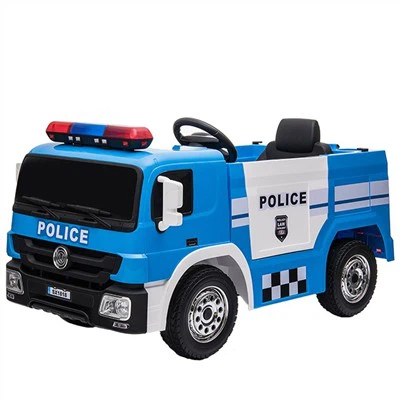
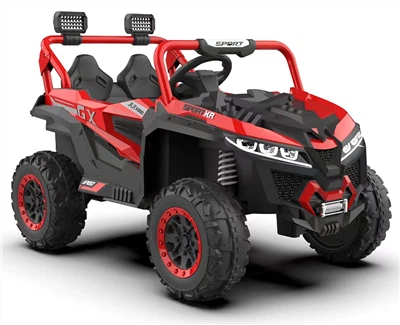
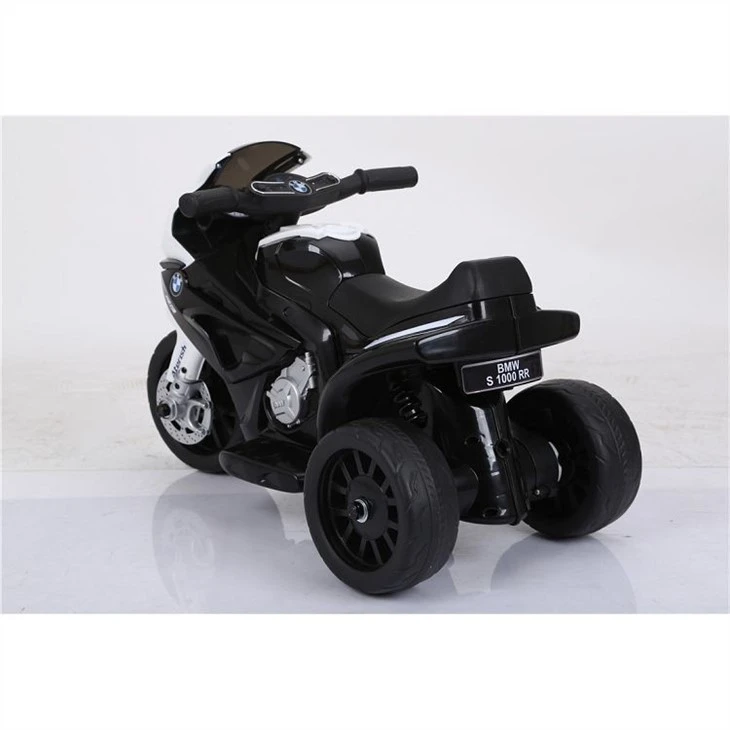
As a licensed motorcycle supplier, we offer a wide range of motorcycles that are suitable for wetland riding. Check out our 12V Big Mulan Car, BMW 6 Volt Ride On Motorcycle, and 6V LITTLE MOTORCYCLE for great options.

Follow Designated Trails
One of the most important rules for riding a licensed motorcycle in a wetland area is to stay on designated trails. These trails are specifically designed to minimize the impact on the wetland ecosystem and protect sensitive areas. Riding off-trail can cause damage to the vegetation, disrupt wildlife habitats, and increase the risk of erosion. Make sure to follow the trail markers and signs at all times and avoid taking shortcuts or creating new trails.
Respect Wildlife and Vegetation
Wetlands are home to a variety of wildlife, including birds, fish, amphibians, and mammals. When riding your motorcycle in a wetland area, it is important to respect the wildlife and their habitats. Avoid disturbing nesting sites, feeding areas, or resting places. Keep a safe distance from animals and do not attempt to chase or harass them.
In addition to wildlife, wetlands are also home to a diverse range of plant species. Many of these plants are rare or endangered and require special protection. When riding your motorcycle, be careful not to damage the vegetation. Avoid riding over plants or crushing them with your tires.
Practice Safe Riding Techniques
Riding a motorcycle in a wetland area can be challenging, especially due to the wet and muddy conditions. To ensure your safety, it is important to practice safe riding techniques. Here are some tips to keep in mind:
- Slow Down: Reduce your speed when riding in wet or muddy conditions. This will give you more time to react to unexpected obstacles and maintain control of your motorcycle.
- Use Caution on Turns: When approaching a turn, slow down and use caution. Wet and muddy surfaces can reduce traction, making it easier to lose control of your motorcycle.
- Avoid Sudden Braking or Acceleration: Sudden braking or acceleration can cause your motorcycle to skid or lose traction. Instead, apply the brakes and throttle smoothly and gradually.
- Wear Protective Gear: Always wear a helmet, gloves, and appropriate clothing when riding your motorcycle. This will help protect you in case of an accident.
Be Prepared for Emergencies
When riding a motorcycle in a wetland area, it is important to be prepared for emergencies. Here are some essential items to include in your emergency kit:
- First Aid Kit: A basic first aid kit can help you treat minor injuries in case of an accident.
- Tool Kit: A tool kit with basic tools can help you make minor repairs to your motorcycle if it breaks down.
- Emergency Shelter: A lightweight emergency shelter, such as a tent or a tarp, can provide protection from the elements in case of bad weather.
- Communication Device: A cell phone or a two-way radio can help you call for help in case of an emergency.
Leave No Trace
As a responsible rider, it is important to leave no trace of your presence in the wetland area. This means packing out all your trash, avoiding littering, and minimizing your impact on the environment. When you leave the wetland area, make sure it looks the same as you found it.
Conclusion
Riding a licensed motorcycle in a wetland area can be a fun and rewarding experience. By following these rules and guidelines, you can ensure your safety and the preservation of the wetland ecosystem. If you are interested in purchasing a motorcycle for your wetland adventure, please contact us to discuss your options. We are a licensed motorcycle supplier and can help you find the perfect motorcycle for your needs.
References
- National Park Service. (n.d.). Wetlands. Retrieved from [Website URL]
- Environmental Protection Agency. (n.d.). Wetlands: Their Functions and Values. Retrieved from [Website URL]
- Motorcycle Safety Foundation. (n.d.). Riding in Wet Conditions. Retrieved from [Website URL]